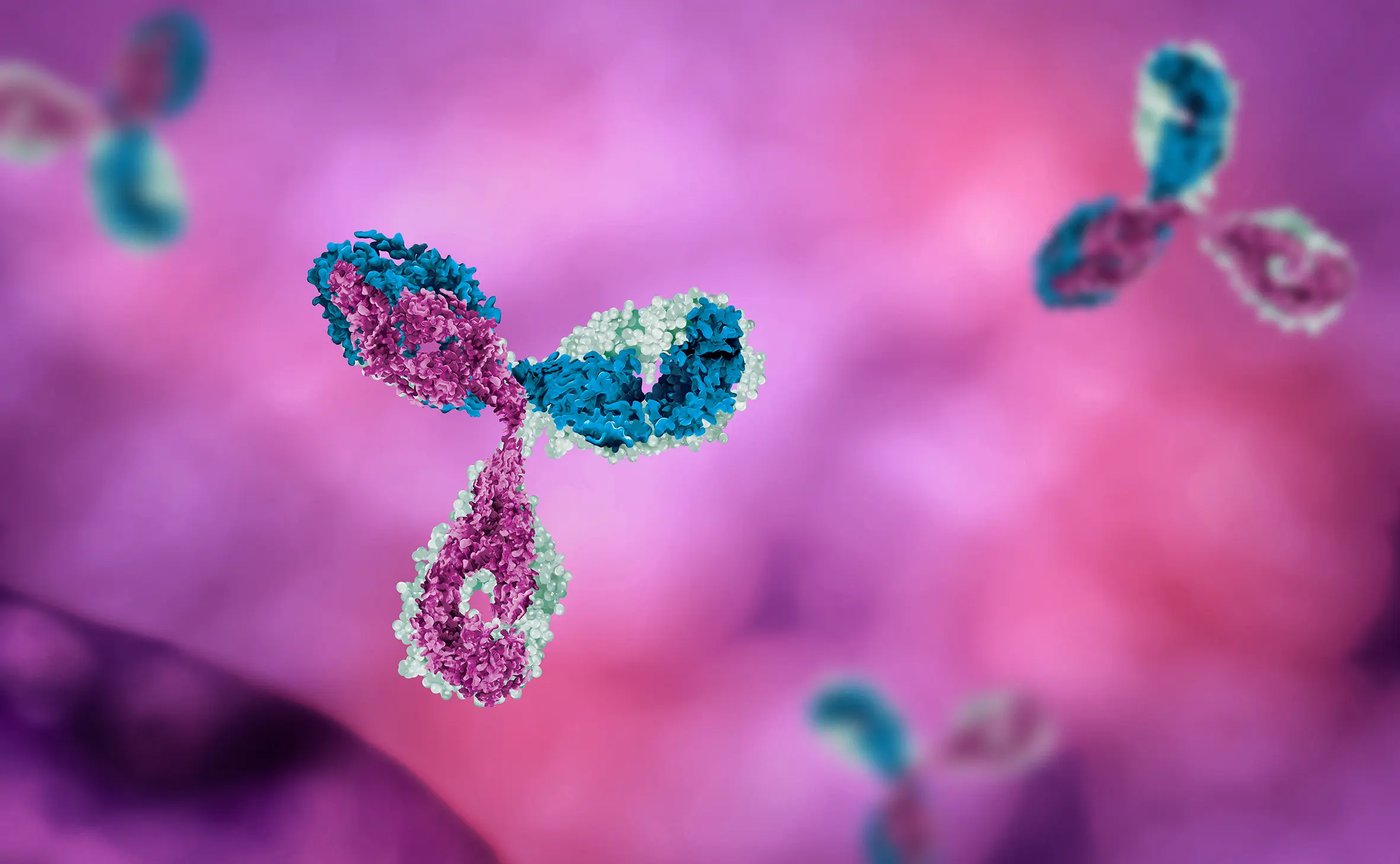
On 18 June 2026, Korea Biomed reported that South Korean-headquartered Alteogen has disclosed in an investor communication that a non-exclusive licence agreement it announced in November 2019 for its ALT-B4 technology with an “undisclosed” pharmaceutical company was a deal with Sanofi regarding development of a high-dose subcutaneous formulation of Dupixent® (dupilumab). ALT-B4 is a recombinant human hyaluronidase enzyme platform (berahyaluronidase alfa) designed to convert intravenous (IV) drugs into subcutaneous formulations.
The Sanofi deal was said by Alteogen in 2019 to potentially be worth up to USD 1.37 billion. It has been disclosed that Sanofi paid USD13 million upfront in December 2019 and made two subsequent milestone payments, one in March 2020 for an undisclosed amount and a second of USD3 million in April 2023. No details about the clinical stage of the development have been announced.
Alteogen has since partnered with a number of companies for the use of ALT-B4 in the subcutaneous formulations. In November 2024, Alteogen signed an exclusive US$300 million licence agreement with Daiichi Sankyo for the development and commercialisation of a subcutaneous injection form of Enhertu® (trastuzumab deruxtecan). In January 2026, Alteogen entered an exclusive licence agreement with Tesaro, a GSK subsidiary, for the use of ALT-B4 in the development and commercialisation of a subcutaneous formulation of dostarlimab.
Alteogen collaborates with MSD on subcutaneous Keytruda® (pembrolizumab). MSD’s subcutaneous pembrolizumab was approved in the US, as Keytruda Qlex™, in September 2025 across 38 indications and has also been approved in Europe (November 2025), Canada (February 2026) and Korea (May 2026).
In January 2023, Alteogen entered into an exclusive agreement with Sandoz for the use of ALT-B4 to develop a subcutaneous version of an undisclosed Sandoz biosimilar product, with an option for Sandoz to licence the Alteogen technology for two further products.