
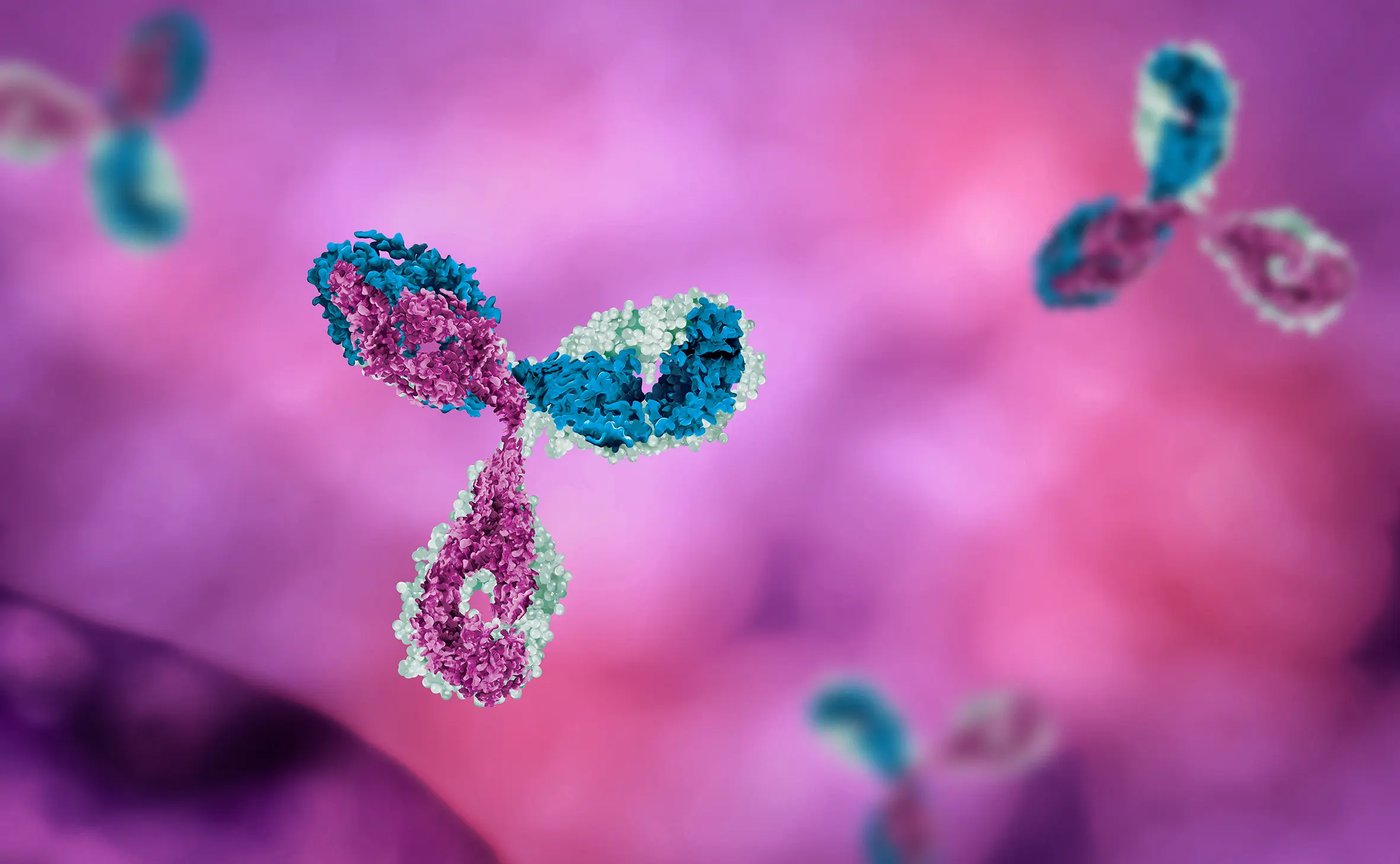
On 28 September 2026, STADA announced that it has entered into an exclusive partnership with Chia Tai Tianqing Pharmaceutical Group (CTTQ), a subsidiary of Sino Biopharmaceutical Limited, for up to four biosimilars. This includes CTTQ’s TQB3570, biosimilar to MSD’s Keytruda® (pembrolizumab), with an option for STADA to add up to three further immunology and oncology biosimilars.
Under the agreement, China-headquartered CTTQ is responsible for development, manufacture and supply, and STADA is responsible for marketing authorisations and exclusive commercialisation in the EU, Switzerland, UK and Commonwealth of Independent States, with options for the US and Gulf Cooperation Council member states. The specific financial terms of the partnership have not been disclosed.
Competition is heating up in relation to the first pembrolizumab biosimilar to be approved in major markets. Applications for approval of pembrolizumab biosimilars were filed in Korea by Samsung Bioepis (SB27) and Celltrion (CT-P51) in August 2026. Two months earlier, in June 2026, Samsung Bioepis claimed to be the first developer of a pembrolizumab biosimilar to announce global phase 3 trial results. Amgen also confirmed on 15 September 2026 that its Keytruda® biosimilar has successfully completed clinical trials with an FDA submission likely later this year.
Formycon has been taking a streamlined clinical development approach in relation to its pembrolizumab biosimilar, FYB206, announcing successful Phase 1 results in February 2026, with its US commercialisation partner, Zydus, expressing optimism that it is well-placed to file the first BLA in the US for biosimilar pembrolizumab.
Pembrolizumab biosimilars have reportedly been launched in Paraguay (by Bioeticos in August 2025) and approved in Vietnam (by Biocad in November 2025) and Jordan (by Sana Pharma in February 2026). Pembrolizumab biosimilars are also in clinical trials including by mAbxience, Sandoz, Bio-Thera, Shanghai Henlius, BioNTech, Qilu Pharmaceutical and Enzene.