
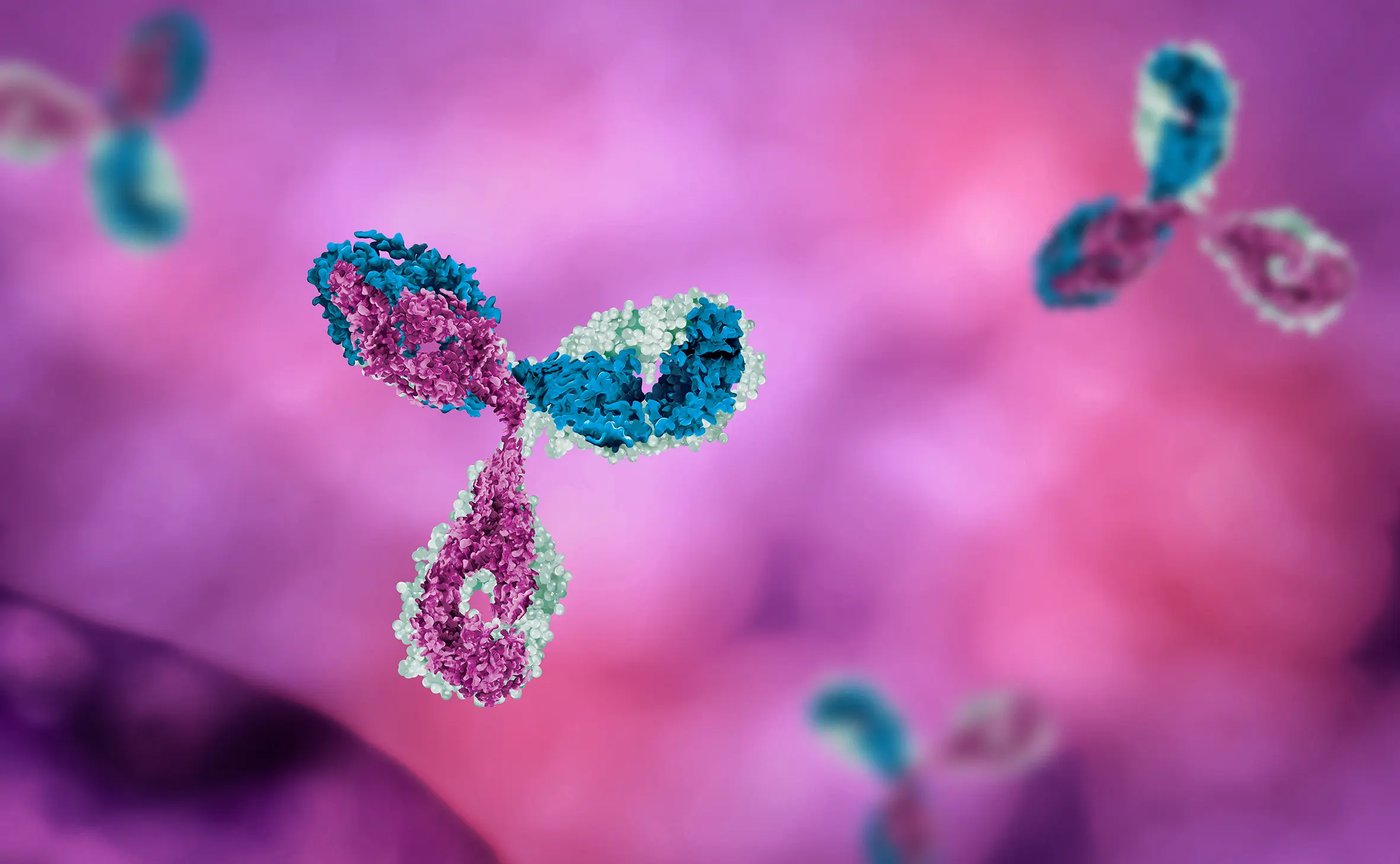
On 8 April 2026, the results of a Phase 3 study sponsored by Feiyang Biotechnology were included in Bone Reports, demonstrating that KN012 (denosumab) demonstrated efficacy, safety and pharmacokinetic performance comparable to the reference drug, Amgen’s Prolia®. The study was conducted in Chinese postmenopausal women at high risk of fracture over a period of 12 months.
KN012 is a denosumab biosimilar developed by Feiyang Biotechnology in collaboration with Alphamab., an affiliate of Suzhou Alphamab. A Phase 1 study was previously completed, showing a high degree of similarity between KN012 and US-sourced denosumab in pharmacokinetics, safety and immunogenicity.
There is an increasingly competitive denosumab biosimilar landscape in China. Denosumab biosimilars approved in China include Mabwell’s Mailishu® (approved March 2024, referencing Amgen’s Xgeva®) and Maiweijian® (approved May 2026, referencing Amgen’s Prolia®), Boan Biotech’s Boyoubei® (November 2022, referencing Prolia®) and Boluojia® (approved 2024, expanded May 2026, referencing Xgeva®), and Mabpharm’s Puboli®/CMAB807 (approved June 2026, referencing Prolia®).